How to Keep Cut Flowers Fresh: 5 Science-Backed Vase Tips
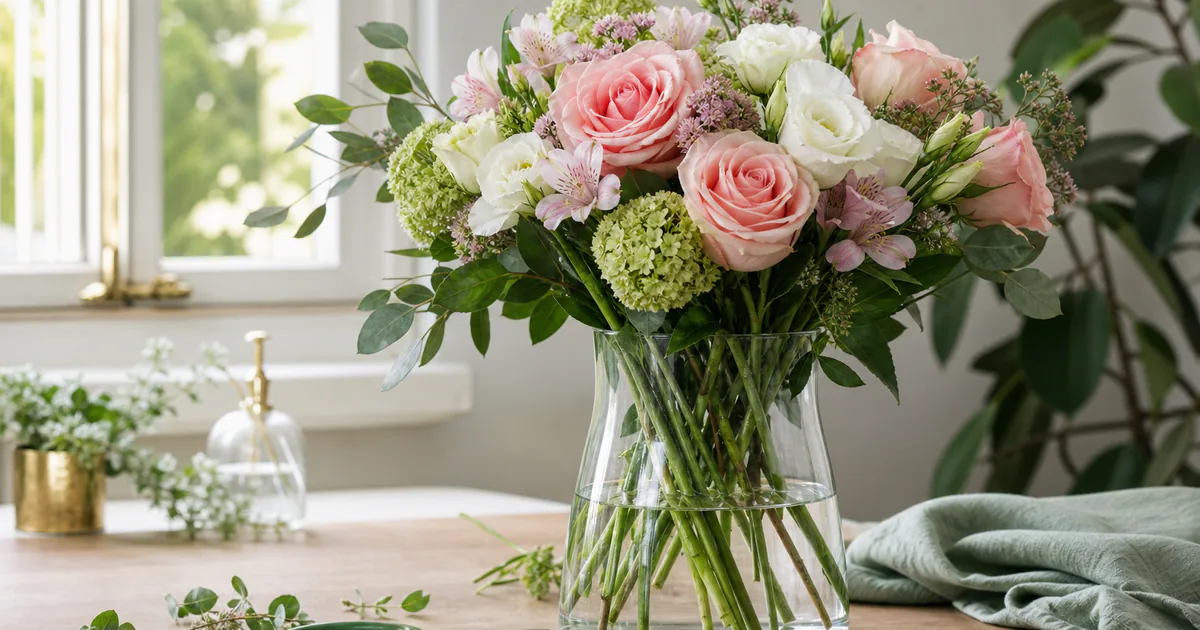
Quick answer: Start with a thoroughly cleaned vase, mix commercial flower food exactly as directed, remove foliage below the waterline, and recut stems with a sharp clean tool before placing them in water. Check the water every day and replace it when it becomes cloudy or develops debris.
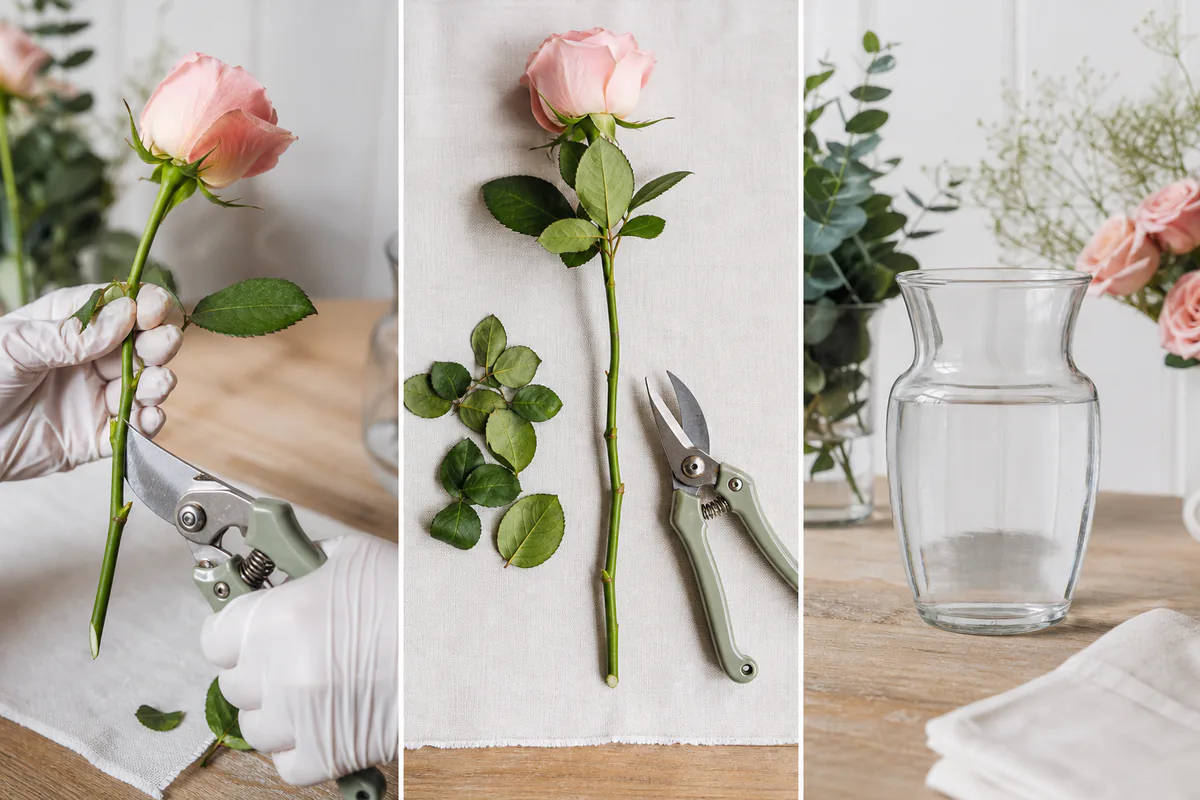
Where to browse current fresh bouquets
Flower catalogs change with season, inventory, delivery date, and recipient location. Instead of presenting a generic merchant link as if it were a specific product page, these buttons open each merchant's current flower collection. Verify the exact bouquet, stem list, fulfillment method, and final delivered price before ordering.
UrbanStems fresh flower collection
UrbanStems separates fresh bouquets from its plants and other gifts. Enter the recipient's address and delivery date before comparing available designs; same-day service is limited to select cities, while other orders may use next-day shipping.
Useful for: Browsing a current catalog of modern fresh bouquets.
Check first: Delivery method, date availability, substitutions, and every stem if pets are present.
The Bouqs Co. current best sellers
The Bouqs Co. rotates seasonal bouquets and may deliver some farm-shipped stems in bud form. The current collection page is more reliable than naming a bouquet that may be renamed, replaced, or unavailable for the recipient's date.
Useful for: Comparing current farm-shipped and seasonal bouquet options.
Check first: First available date, bouquet size, substitutions, vase inclusion, and pet safety.
Five practical cut-flower care steps
1. Wash the vase and cutting tools
Scrub the vase with hot, soapy water and rinse it thoroughly. Clean residue from clippers or floral scissors before trimming. A clean container reduces the debris and microorganisms introduced into the water; air-drying alone does not sterilize a dirty vase.
2. Mix commercial flower food exactly as directed
Use the amount of water printed on the packet. Commercial preservatives are designed to balance nutrients, water acidity, and microbial control. Making the solution stronger is not better, and improvised mixtures are less predictable across different flower types.
3. Recut stems with a sharp, clean tool
Remove a small section from the base of each stem at an angle, then place the flower into prepared water promptly. A sharp tool creates a cleaner opening than dull household scissors that crush the stem. Cutting under running water is not required for routine bouquet setup.
4. Remove foliage below the waterline
Leaves and loose plant material submerged in the vase break down and cloud the water. Remove only what would sit underwater; healthy foliage above the waterline can remain unless it is damaged or overcrowded.
5. Check the arrangement every day
Top up the vase when the level drops. If the water becomes cloudy, slimy, or filled with debris, empty it, wash the vase, remix the preservative, and recut the stems. Keep the arrangement away from heating vents, strong direct sun, and ripening fruit.
Use the instructions supplied with the bouquet
Water temperature and handling needs vary by flower and fulfillment method. Follow the florist's or flower-food manufacturer's directions rather than applying one temperature rule to every bouquet.
Pet-safety check
Do not rely on a bouquet name or photograph to decide whether it is safe around animals. Identify every flower and foliage species, including substitutions. True lilies and daylilies are particularly dangerous to cats; pollen and vase water can also create exposure. See our safer-flower guide for cat households.