How to Keep Hydrangeas Fresh: 5 Pro Tips for Long-Lasting Blooms
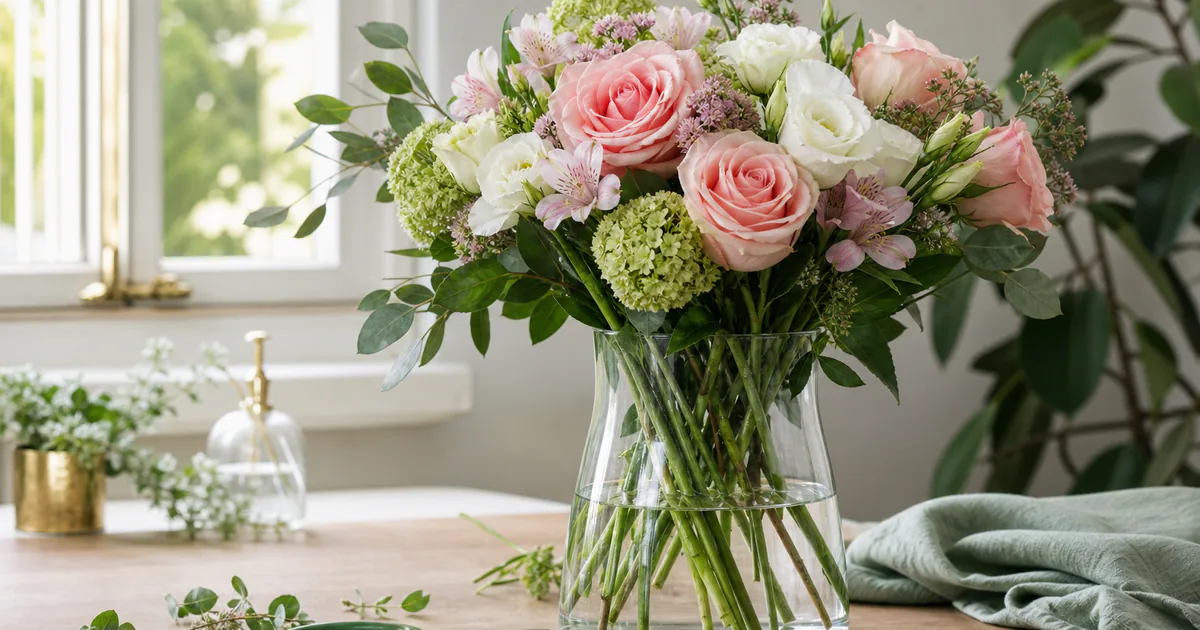
Hydrangeas are famous for their lush, voluminous flower heads, but they are also notorious for wilting overnight. The name 'Hydrangea' comes from the Greek words for water vessel, which tells you everything you need to know about their care—they are incredibly thirsty blooms that require proper hydration strategies to survive in a vase.
Start With Hydrated Stems
Choose hydrangeas with firm petals, hydrated leaves, and clean stem ends. Once they arrive, re-cut promptly, remove leaves below the waterline, and place them in a clean vase before the flower heads soften.
Essential Selection & Care Instructions
1. Cut Stems at a Sharp Angle and Split the Base
When prepping hydrangeas, always use a sharp knife or heavy shears. Cut the stems at a 45-degree angle under warm water. This increases the surface area for water absorption. Crucially, make a vertical slit about half an inch up the bottom of the stem (a process known as splitting) to help the woody stem drink more efficiently.
2. Strip All Lower Leaves to Prevent Bacterial Growth
Foliage submerged in vase water will decay rapidly, creating a breeding ground for bacteria that clogs the vascular system of your hydrangeas. Strip all leaves that fall below the waterline. Additionally, pinch off some upper leaves, as they draw moisture away from the main flower head through transpiration.
3. The Hot Water Rescue Method for Wilting Blooms
If your hydrangeas start to droop, you can revive them using hot water. Empty the vase, cut the stems again at an angle, and place them in hot (but not boiling) water. The heat helps clear blockages in the stems, allowing water to rush up to the petals. Let them sit in a cool, dark room for a few hours to recover.
4. Refresh the Vase Before the Water Looks Cloudy
Hydrangea stems are woody and prone to blockage. Change the water daily or every other day, rinse the vase, and re-cut the stem ends if the water becomes cloudy. Clean water matters more than adding extra flower food to dirty water, because bacteria can block water uptake and accelerate wilt.
5. Keep Hydrangeas Away From Heat and Direct Sun
Hydrangeas lose moisture quickly in warm rooms. Keep the vase away from sunny windows, heating vents, appliances, and fruit bowls. If the flowers are for an event, store them in the coolest practical room until display time, then return them to fresh water immediately after moving them.
6. Know When a Hydrangea Cannot Be Saved
A bloom that is limp but still cool and pliable often responds to a re-cut, clean water, or a short flower-head soak. A bloom with browned petals, mushy stems, or sour-smelling water is past a simple hydration fix. Remove failed stems so they do not contaminate the rest of the arrangement.
💡 Hydrangea Petal Bath
Did you know hydrangeas can drink water directly through their flower heads? If your bouquet is severely wilted, submerge the entire flower head in a basin of cool water for 30 to 45 minutes. They will absorb water like a sponge and firm right back up.
🐱🐶 Pet Safety Warning
The ASPCA lists hydrangea as toxic to cats and dogs. Keep the vase, fallen petals, leaves, and trimmings out of reach, especially when refreshing stems or discarding old water.