How to Choose Safe Flowers for Cats and Dogs: Pet-Safe Guide
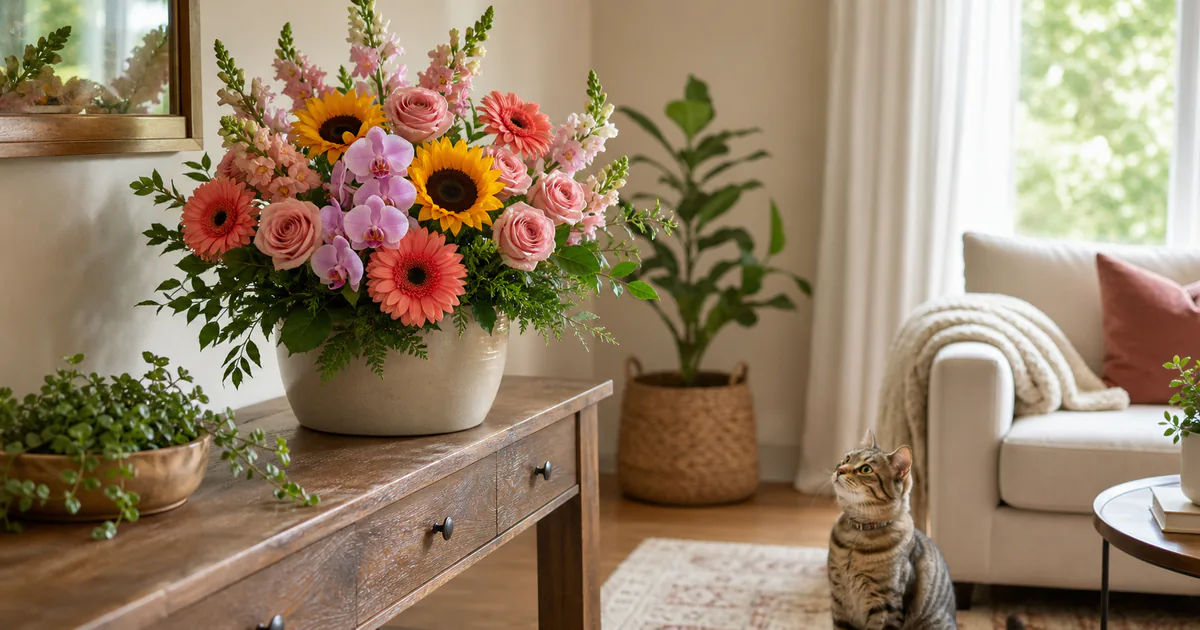
Many common cut flowers and houseplants contain compounds that can harm cats or dogs. This guide offers lower-risk starting points, but every listed flower, foliage, and substitution should still be checked before a bouquet enters a pet household.
🌸 Browse Pet-Aware Bouquet Options
Start with a merchant's clearly labeled pet-friendly collection or a simple orchid or rose product. Recheck every stem, foliage item, and substitution policy before ordering.
Pet-Aware Products to Compare
The first two products are currently identified by their merchants as pet-friendly or part of a pet-safe collection. The Teleflora rose arrangement is only a simpler starting point and requires explicit stem and no-substitution confirmation.
Pretty in Pink Orchid Garden
ProFlowers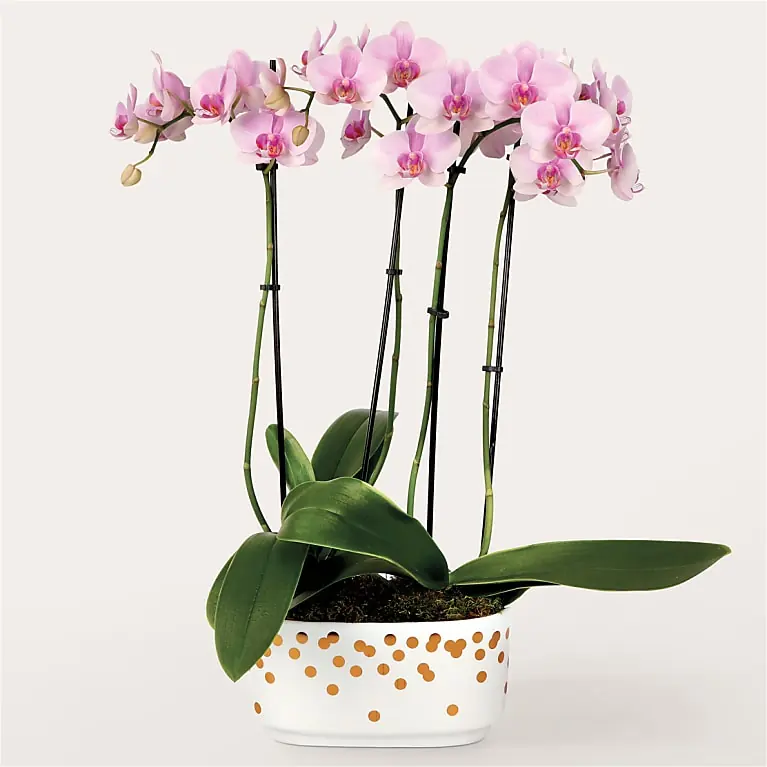
A blooming pink orchid garden in a ceramic container. ProFlowers currently identifies this specific product as pet friendly, making it a more clearly documented starting point than an unspecified mixed bouquet.
Pros
- Specific product is labeled pet friendly by ProFlowers
- Longer-lasting plant gift rather than cut stems
- Care instructions are listed on the product page
Cons
- Shipped product; delivery timing and plant color can vary
Butterfly Bouquet
BloomsyBox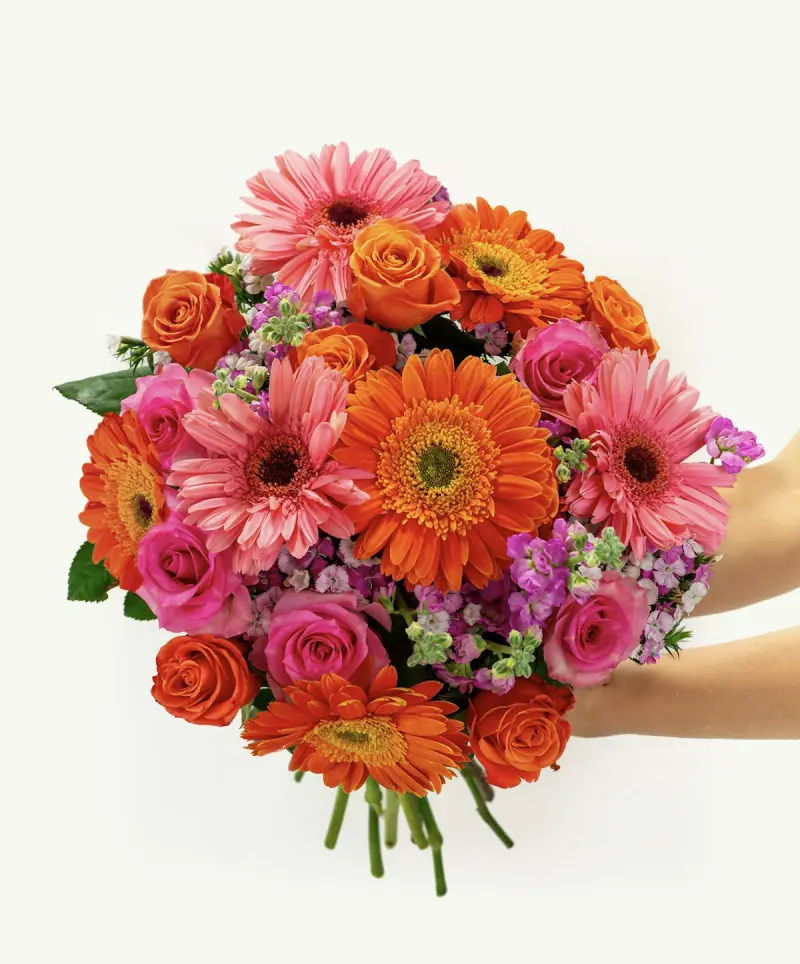
A vivid arrangement of orange and pink blooms offered within BloomsyBox's pet-safe collection. The merchant notes that seasonal flowers or colors may differ, so the current product details should be reviewed again at checkout.
Pros
- Listed in BloomsyBox's pet-safe collection
- Bright mixed-bouquet presentation
- Stem count and care guidance are published
Cons
- Seasonal flower and color substitutions may occur; vase is not the main product
Joy Of Roses Bouquet
Teleflora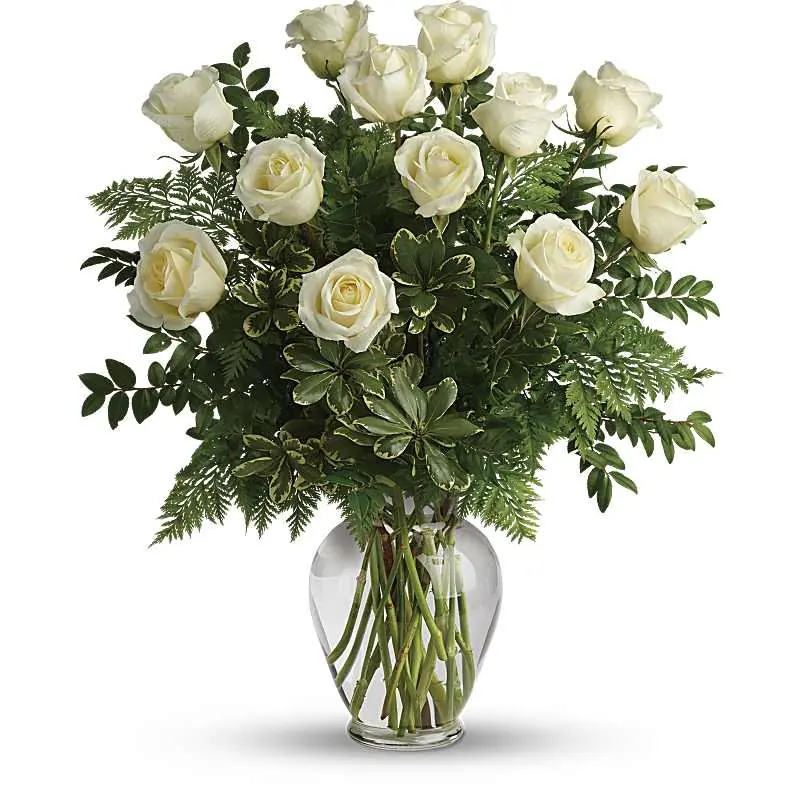
A white-rose arrangement with listed greenery, delivered through a local florist. Roses are generally a lower-risk flower choice, but Teleflora does not market this product as pet-safe; confirm every foliage species and request no unapproved substitutions.
Pros
- Rose-focused design with a published stem list
- Arrives arranged in a vase
- Local florist delivery may be useful for special requests
Cons
- Not marketed as pet-safe; foliage and substitutions require verification
Essential Selection & Care Instructions
1. The Serious Risk of True Lilies to Cats
Members of the Lilium and Hemerocallis genera can cause acute kidney injury in cats after exposure to plant material, pollen, or vase water. The FDA advises keeping these lilies out of homes with cats and contacting a veterinarian or pet poison control center immediately after a suspected exposure.
2. Lower-Risk Flowers to Verify
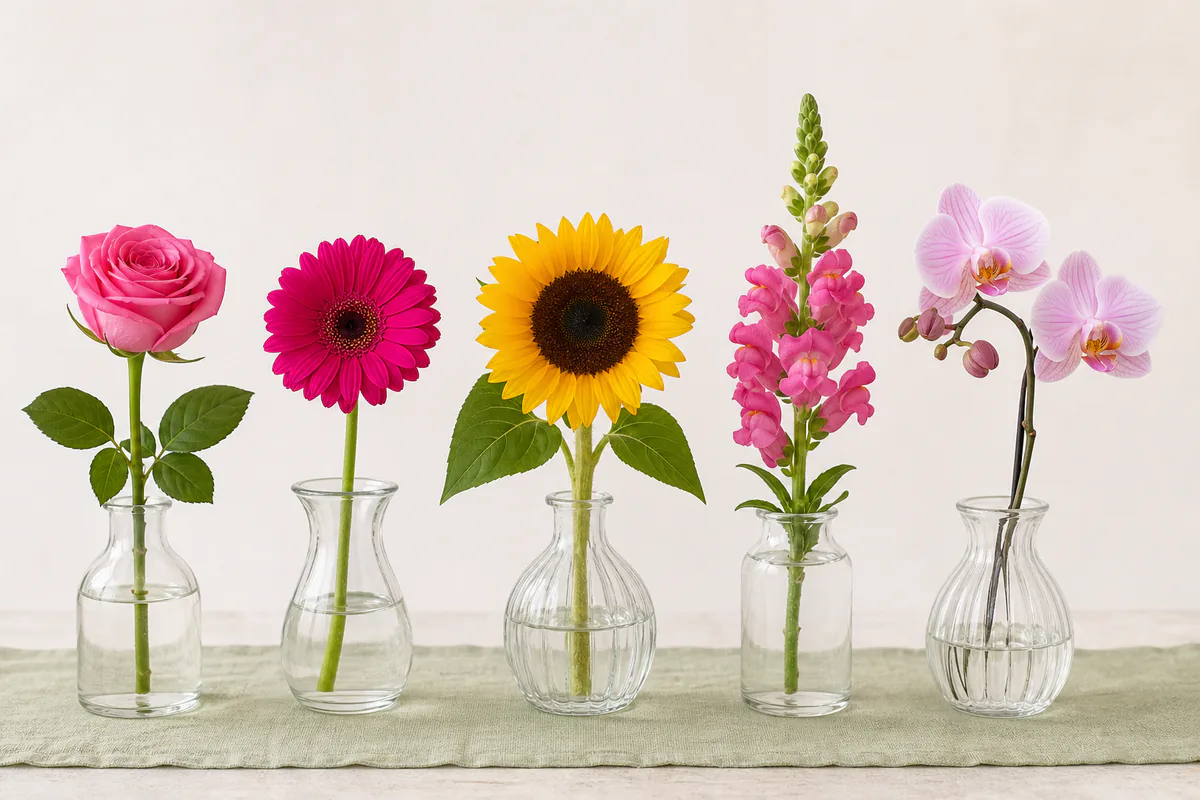
Roses, Phalaenopsis orchids, sunflowers, snapdragons, and gerbera daisies appear as non-toxic entries in the ASPCA plant database for cats and dogs. Common names are not enough: check each plant's scientific name, foliage, treatments, and possible substitutions before ordering. Even non-toxic plant material can cause stomach upset if eaten.
3. Check Fillers and Greenery Separately
Do not assume filler flowers or greenery share the main flower's risk profile. Ask the florist for the common and scientific name of every added plant, compare each one with the ASPCA database, and decline unidentified or unapproved substitutions.
💡 Pet-Proofing Arrangements
Keep all vases on heavy, stable bases to prevent pets from tipping them over, and avoid using chemical flower foods in water that pets might drink. Keep water fresh and clean.
🐱🐶 Comprehensive Pet Safety Focus
No bouquet can be guaranteed risk-free for every animal. Verify every plant and keep arrangements, fallen petals, packaging, and vase water out of reach. If exposure is suspected, contact a veterinarian or animal poison control service promptly.