How to Repot Indoor Houseplants: A Beginner's Step-by-Step Guide
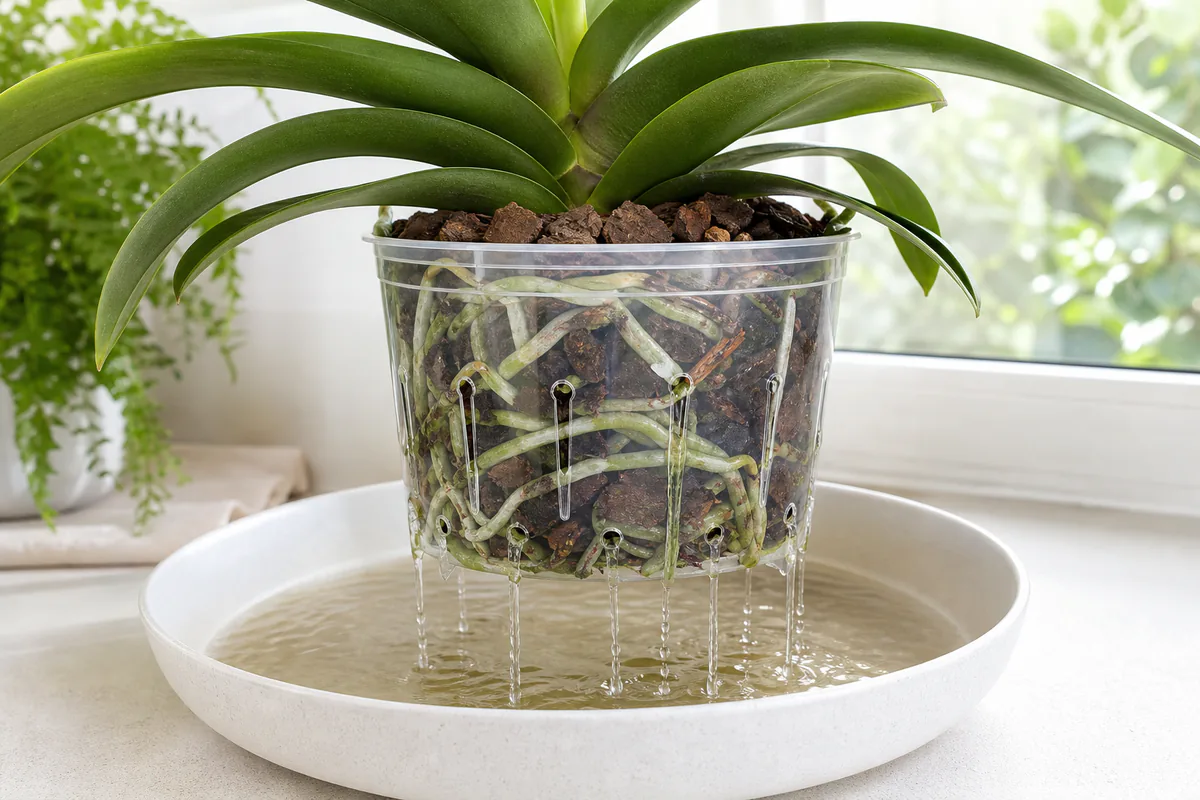
Repotting is a vital maintenance step for indoor plants. Over time, plants outgrow their pots, and potting soil loses its nutrients and aeration capacity. Repotting gives roots fresh oxygen, space, and nutrients to support new spring and summer foliage.
🪴 Healthy Plants Shipped Daily
If you're looking for pre-potted, low-maintenance houseplants that arrive ready to display, look at the plant collections at The Bouqs Co. today.
Essential Selection & Care Instructions
1. Recognize When a Plant is Root-Bound
Your plant will tell you when it needs a new home. Look for roots growing out of the pot's bottom drainage holes, water pooling on the surface and draining slowly, stunted leaf growth, or soil drying out rapidly, requiring constant watering.
2. Select a Pot Two Inches Larger
Avoid placing a small plant in a massive pot, as the excess soil will retain too much moisture and cause root rot. Choose a pot that is only 1 to 2 inches larger in diameter than the current container, and always ensure it has drainage holes.
3. Loosen Root Ball and Repot with Fresh Soil
Gently slide the plant out of its pot. If the roots are tightly coiled, massage them gently to loosen the outer root ball. Place a layer of fresh potting soil at the bottom of the new pot, set the plant in, and fill in the sides with fresh soil, pressing down gently.
💡 Avoid Transplant Shock
Water your plant thoroughly a day before repotting to make the root ball cohesive. After repotting, water the plant well and keep it in the same light conditions. Avoid fertilizing for 4 to 6 weeks as fresh soil already has nutrients.
🐱🐶 Repotting Safety for Pets
Keep pets away while repotting. Fresh potting soils contain organic materials and chemical fertilizers that are harmful if ingested. Ensure clean-up of soil spills so pets don't ingest perlite or fertilizer pellets.
How to Know a Plant Needs Repotting
Roots circling the pot, water running straight through, slowed growth during the active season, or a plant that topples easily can all point to a crowded root system. Repotting is not automatically needed just because a plant is old. Some plants bloom better slightly snug, while a sudden move to a much larger pot can keep the mix wet too long.
Choose a new container only one or two inches wider than the current pot for most tabletop plants. Loosen circling roots gently, remove dead roots, and set the plant at the same soil depth it had before. Water thoroughly after repotting, then keep it out of harsh sun for several days while roots settle.
Repotting Prep List
- Use fresh potting mix suited to the plant type.
- Clean reused pots before adding new soil.
- Delay fertilizer until the plant resumes normal growth.