How to Prune Wilted Leaves from Bouquets for Longevity
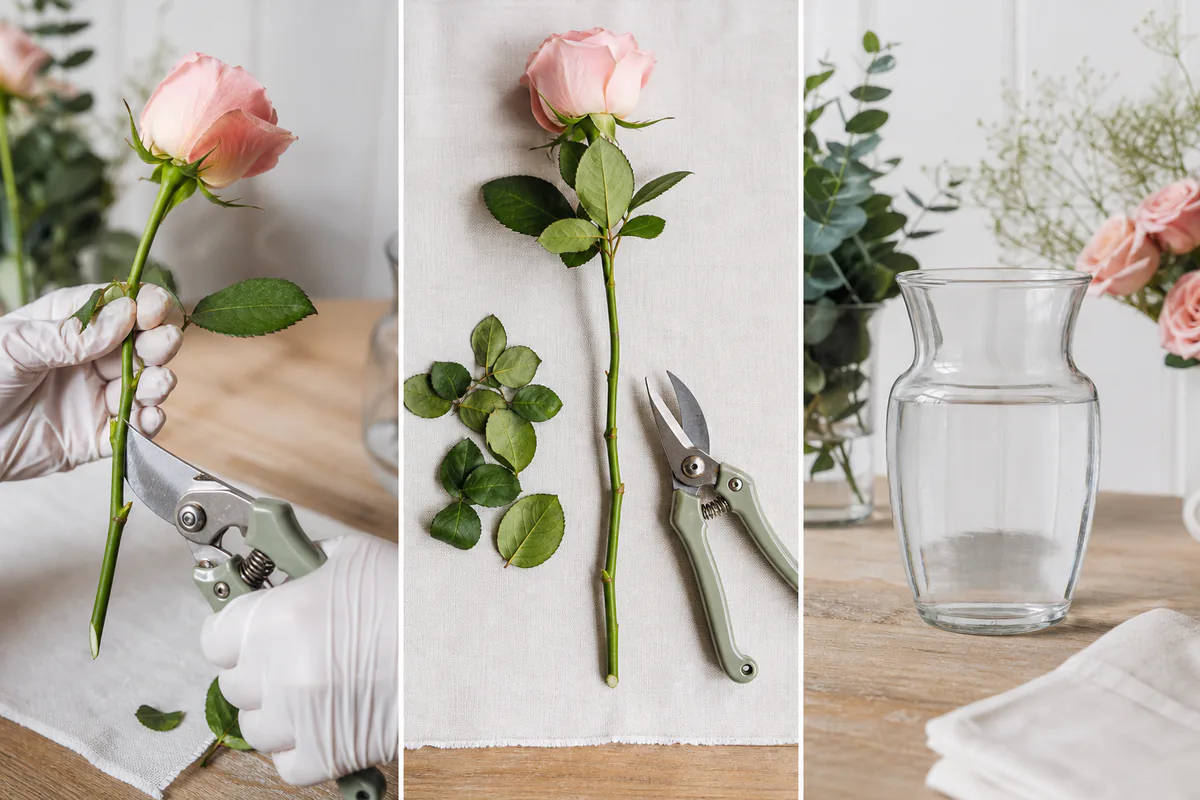
Bouquets are living art, but as individual stems age, leaves and petals will begin to wilt. Pruning is not just about keeping the bouquet looking neat; it is a critical step in preventing bacterial decay from spoiling the entire vase.
💐 Order Premium Flower Deliveries
Purchase fresh flower bouquets that arrive ready to trim and style. We recommend UrbanStems or The Bouqs Co. for fresh, high-quality shipments.
Essential Selection & Care Instructions
1. Remove Submerged and Decaying Foliage
Leaves submerged in vase water will rot, releasing bacteria that clog the stem's vascular paths. Inspect your bouquet daily and strip away any foliage that falls below the waterline, as well as yellowing leaves higher up.
2. Sterilize Your Floral Pruning Tools
Always clean your shears or knife with rubbing alcohol before trimming your stems. Dirty tools introduce bacteria and fungi directly into the fresh cuts, causing the flowers to wilt and rot prematurely.
3. Prune Wilted Flower Heads and Guard Petals
Gently pinch off faded blooms and brown outer guard petals on roses. This redirect the plant's remaining water and energy to the younger buds, helping them open and keeping the bouquet looking fresh.
💡 Stem Re-cutting
Every time you prune wilted leaves, take the opportunity to re-cut the bottoms of the stems at a 45-degree angle. This opens up fresh vascular pathways and helps the flowers absorb water efficiently.
🐱🐶 Clean Pruning Environment for Pets
Keep pets away while trimming. Ensure all discarded toxic leaves (like eucalyptus or lilies) are immediately thrown into a closed trash can so cats or dogs cannot chew on the trimmings.
What to Remove First
Start with any foliage below the waterline, because submerged leaves decay quickly and shorten vase life. Next remove petals or leaves that are brown, slimy, bruised, or pressed against healthy blooms. Work slowly so you do not strip a bouquet down more than necessary; some outer guard petals protect roses during transit and can be removed only if they look damaged.
Use clean floral snips or sharp scissors rather than tearing stems by hand. After pruning, recut stems and place the bouquet into fresh water. If one stem is collapsing while the rest looks healthy, remove that stem entirely instead of letting it contaminate the vase.
Daily Maintenance Checklist
- Check water clarity and smell before adding more water.
- Remove spent blooms as they fade instead of waiting for the whole bouquet.
- Wash the vase whenever water is replaced, not only at the end.
Final Check Before You Act
When arranging for a guest table, do pruning and water changes before the event day. Freshly cut stems look cleaner after a few hours of hydration and are less likely to shed debris during service.