How to Prevent Root Rot in Indoor Houseplants: Soil & Water
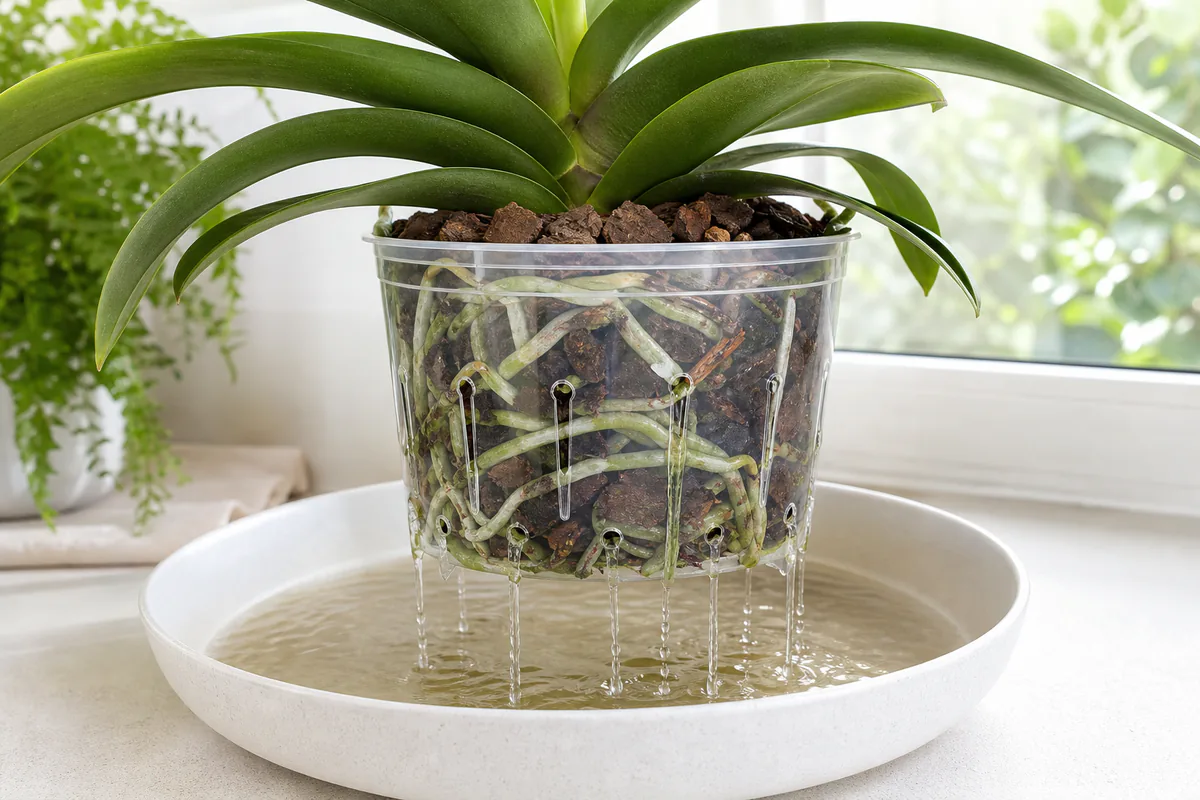
Root rot is a fungal disease that attacks plant roots sitting in waterlogged, poorly aerated soil. Deprived of oxygen, roots decay, leaving the plant unable to absorb nutrients, eventually causing the plant to collapse and die.
🪴 Secure Premium Healthy Plants
Purchase healthy, professionally potted houseplants with guaranteed soil drainage. We recommend The Bouqs Co. for fresh, farm-direct houseplant deliveries.
Essential Selection & Care Instructions
1. Use Terracotta Pots for Breathability
Plastic and glazed ceramic pots lock in moisture. Terracotta pots are made of porous clay, allowing water to evaporate through the sides of the container. This dries out the soil evenly and provides root systems with oxygen.
2. Amend Soil with Drainage Materials
Standard potting soils are too dense for indoor environments. Always mix in drainage amendments such as perlite, pumice, coarse sand, or orchid bark. A ratio of 70% potting soil and 30% perlite creates air pockets that prevent rot.
3. Empty Standing Saucer Water Immediately
After watering your plant, let it drain for 15 minutes, then empty the collection saucer. Leaving pots sitting in standing saucer water saturates the bottom soil, drowning the lower root system and triggering rot.
💡 Salvaging Rotten Roots
If a plant is rotting, pull it from its pot and wash away the soil. Trim away mushy, black, smelly roots, leaving only firm white roots. Spray remaining roots with a 3% hydrogen peroxide solution and repot in fresh, dry soil.
🐱🐶 Stagnant Water Danger
Water sitting in rotting plant soil is full of harmful anaerobic bacteria and fungi. Ensure pets do not drink from plant saucers or standing drainage water, which can cause severe bacterial stomach infections.
Root Rot Early Warning Signs
Root rot often looks like underwatering at first: leaves droop, yellow, or collapse even though the soil is damp. The difference is in the root zone. Slide the plant from the pot and check for firm, pale roots versus brown, hollow, or sour-smelling roots. A plant can have both healthy and rotted sections, so do not discard it before inspecting.
Prevention starts with matching pot size to root size. Oversized pots hold a large volume of wet mix around a small root ball. Use a container with drainage, water thoroughly, then let the plant dry to the level that species prefers. Empty saucers after watering and avoid adding gravel at the bottom, which does not solve poor drainage.
Recovery Steps
- Trim rotted roots with clean scissors and discard old soggy mix.
- Repot into fresh, airy medium suited to the plant.
- Pause fertilizer until new growth confirms recovery.
Final Check Before You Act
After a rot rescue, keep the plant in a stable location and resist repeated repotting. New roots need oxygen, modest moisture, and time; constant checking can break fragile recovery growth.