How to Press Flowers in Books: A Simple Crafting Guide
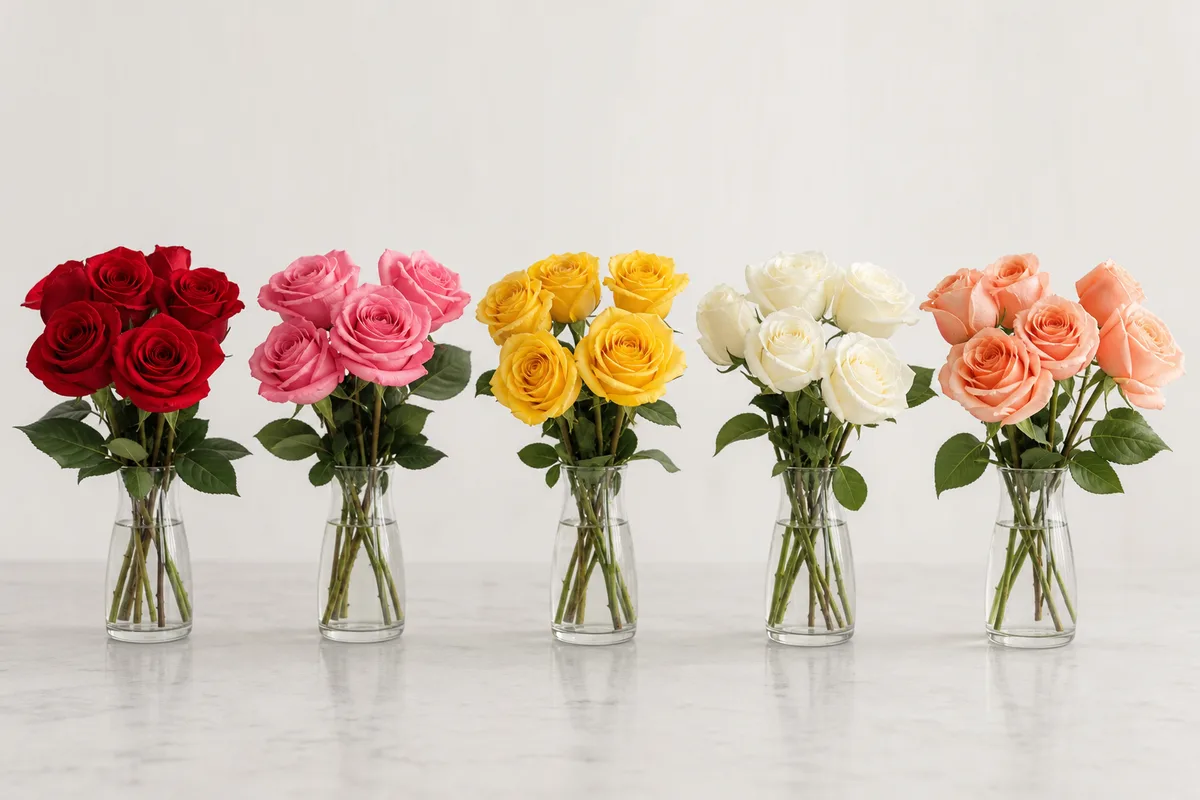
Pressing flowers is a timeless craft. By flattening and drying leaves and petals, you can create beautiful botanical art, decorate greeting cards, or preserve special flowers in journals and frames.
🌸 Select Beautiful Bouquets
Need fresh, beautiful blooms to start your pressing projects? Order fresh stems from the curated collections at The Bouqs Co. today.
Essential Selection & Care Instructions
1. Select Flat-Faced Flowers
Choose flowers that are naturally flat-faced or have thin petals, such as pansies, daisies, violas, or individual rose petals. Avoid thick, bulky flowers like whole orchids or dense roses, which will rot rather than dry flat.
2. Layer Between Parchment Paper
Open a heavy book (like an encyclopedia or dictionary) and place parchment paper over the pages. Arrange your flowers face down on the paper, making sure they do not overlap. Cover with another sheet of parchment paper to absorb moisture.
3. Weight the Book and Wait 3 Weeks
Close the book gently and stack several heavy books or bricks on top of it. Store it in a dry closet. Leave the flowers undisturbed for 2 to 4 weeks until they are dry, papery, and completely flat.
💡 Ironing Method
For a fast pressing hack, place flowers between parchment paper and weight them down with a heavy book for 1 day. Then, press the paper sandwich with a warm iron (no steam) on low heat for 10-second intervals until the flower is dry.
🐱🐶 Pressing Safety for Pets
Ensure pets do not chew on your drying flowers, especially if you are pressing toxic varieties like pansies or clematis. Keep your pressing books closed and stored away in a cabinet out of pet reach.
Best Flowers for Book Pressing
Thin, flat blooms press more cleanly than thick, watery flowers. Pansies, violas, cosmos, small daisies, fern fronds, and individual rose petals are easier for beginners than full roses or lilies. If a flower has a bulky center, remove some petals and press them separately for a cleaner result.
Always place flowers between absorbent paper before putting them in a book. Printer paper, blotting paper, or parchment-like pressing sheets protect pages from moisture and pigment transfer. Add weight evenly and leave the stack undisturbed in a dry place. Checking too often can tear petals before they are fully dry.
Finishing Checklist
- Wait at least two weeks before handling most pressed flowers.
- Use tweezers for fragile petals and stems.
- Store finished pieces away from sunlight to reduce fading.
Final Check Before You Act
For important keepsakes, press more flowers than you think you need. Some petals will wrinkle, darken, or stick to paper, and having extras gives you better choices for the final card or frame.