How to Increase Humidity for Indoor Tropical Houseplants
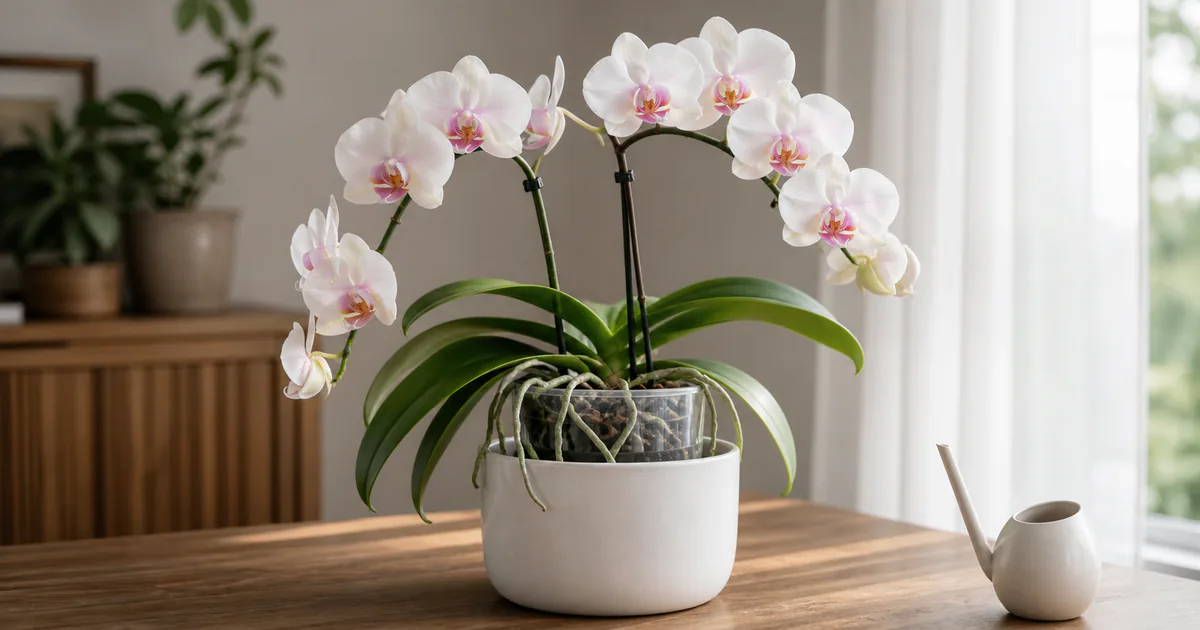
Many popular indoor plants, such as monsteras, ferns, and calatheas, are native to humid tropical rainforests. In typical climate-controlled homes, humidity levels can drop below 30%—causing brown leaf edges, crispy tips, and slow growth.
🌿 Want Tropical Greenery?
Get fresh, premium tropical plants shipped to your home. We recommend checking out the curated indoor plant selections at The Bouqs Co. today.
Essential Selection & Care Instructions
1. Create a Simple Pebble Tray Setup
Fill a shallow tray with small pebbles and pour in water until it sits just below the top of the stones. Place your plant pot on top of the pebbles, ensuring the bottom of the pot does not touch the water. As the water evaporates, it creates a pocket of humid air.
2. Group Moisture-Loving Plants Together
Plants release moisture through their leaves via transpiration. By grouping your tropical plants close together, you create a humid microclimate. Keep Calatheas, Monsteras, and Ferns together to maximize this natural humidity pool.
3. Run a Cool-Mist Humidifier
For rooms with many tropical plants, the most effective solution is running a small cool-mist humidifier nearby. Set it to maintain humidity between 50% and 60% for ideal growth conditions without causing mold on your walls.
💡 Avoid Leaf Misting
Misting leaves with a spray bottle only boosts humidity for a few minutes and leaves standing water on the foliage. In stagnant indoor air, wet leaves are highly susceptible to fungal infections and leaf rot.
🐱🐶 Humidifier & Pet Safety
If running a humidifier, keep electrical cords secured from chewing pets. Never add essential oils (like eucalyptus or tea tree) to your plant humidifier, as dispersed oils are toxic to dogs and cats when inhaled or groomed off fur.
Humidity Fixes That Are Worth Doing
Grouping plants together and using a room humidifier are more reliable than occasional misting. Misting evaporates quickly and can leave foliage wet without meaningfully changing the room. For tropical plants, aim for steady moderate humidity with airflow rather than a damp corner where leaves stay wet for hours.
Pebble trays can help keep pots above standing water, but they should not be treated as a full-room solution. Make sure the pot sits on the pebbles, not in the water. If condensation forms on windows every morning, reduce humidifier output and increase ventilation to avoid mold around sills and walls.
Plant-by-Plant Checks
- Ferns and calatheas usually benefit most from added humidity.
- Succulents, cacti, snake plants, and aloe usually do not need it.
- Move fuzzy-leaf plants carefully because wet leaves can spot or rot.
Final Check Before You Act
Track humidity with a small digital hygrometer instead of guessing from leaf appearance alone. Crispy edges can also come from underwatering, excess fertilizer, pests, or direct heat from vents.