How to Grow Herbs Indoors: A Kitchen Herb Garden Guide
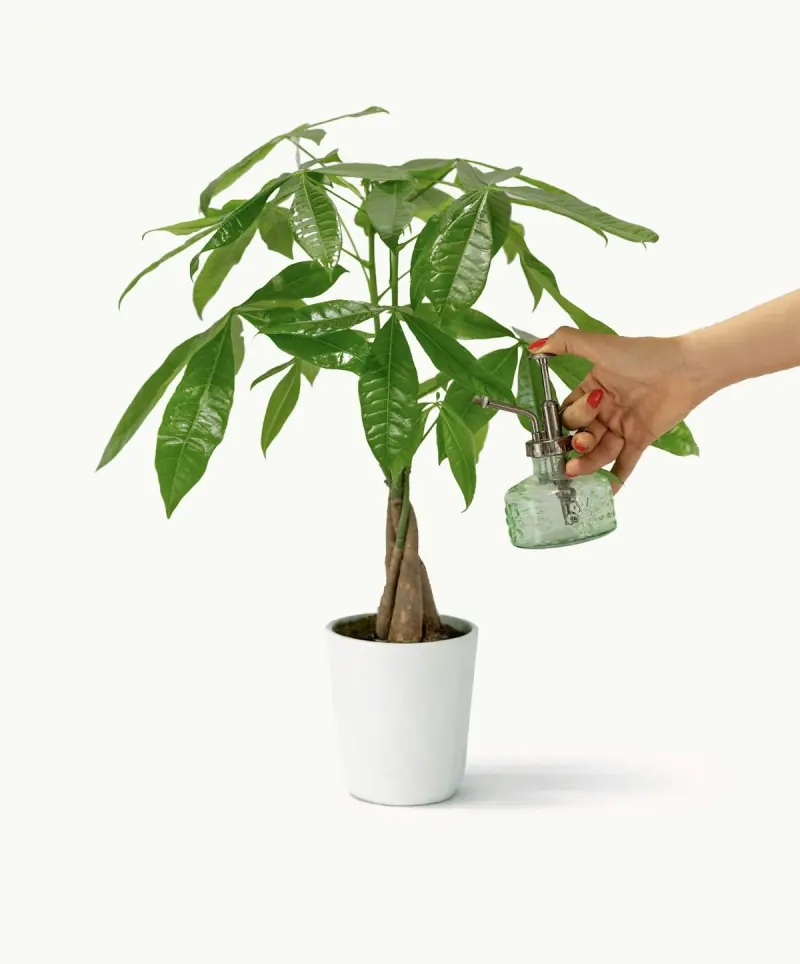
There is nothing better than harvesting fresh basil, rosemary, or thyme directly from your kitchen windowsill while cooking. Growing herbs indoors is an easy way to bring fresh flavor and greenery into your home year-round.
🌿 Start Your Kitchen Herb Garden
Get fresh, organic potted herbs delivered straight to your kitchen. We recommend ordering from UrbanStems for modern, stylish kitchen herb starter kits.
Essential Selection & Care Instructions
1. Position on South-Facing Windowsills for Max Light
Herbs are sun-loving plants that require at least 6 hours of direct sunlight daily to produce their aromatic essential oils. A south or west-facing kitchen window is ideal. If you don't have enough sunlight, invest in a small LED grow light.
2. Ensure Pots Have Drainage Holes
Herbs hate wet feet. Plant your indoor herbs in terracotta pots filled with organic potting soil amended with perlite. Always empty the drainage trays after watering so the roots do not sit in water, which causes root rot.
3. Prune Regularly to Encourage Bushy Growth
Instead of plucking individual leaves, harvest your herbs by pinching off the top stem tips just above a leaf node. This stimulates the plant to grow two new branches, keeping it bushy and preventing it from growing leggy.
💡 Basil Watering Hack
Basil is highly expressive and will droop when dry. To prevent root rot, always water basil from the bottom. Pour water into its saucer and let the soil absorb it for 15 minutes, then discard any remaining water.
🐱🐶 Safe vs Toxic Kitchen Herbs
Basil, rosemary, thyme, parsley, and cilantro are non-toxic and fully pet-safe. However, chives and garlic greens are member of the Allium family and are highly toxic to dogs and cats, causing red blood cell damage.
Indoor Herb Setup That Actually Works
Most kitchen herbs fail indoors because they receive too little light and too much water. Basil, rosemary, thyme, oregano, and parsley need a very bright window or a small grow light placed close enough to keep growth compact. If stems stretch and leaves become pale, increase light before adding fertilizer.
Group herbs by water needs. Rosemary and thyme prefer a faster-drying mix, while basil and parsley need steadier moisture. Harvest lightly and often by cutting above a leaf node; stripping all large leaves at once weakens the plant. Rotate pots so one side does not lean permanently toward the light.
Kitchen Safety Notes
- Use food-safe pest controls only if you plan to eat the leaves.
- Rinse harvested herbs even when grown indoors.
- Keep herbs away from stovetop heat, grease, and cold window drafts.
Final Check Before You Act
When starting from grocery-store herbs, divide crowded clumps gently and pot only the healthiest sections. Many supermarket herbs are sown densely for short-term use, so thinning improves airflow and root space.