How to Care for Spider Plants: Complete Indoor Care Guide
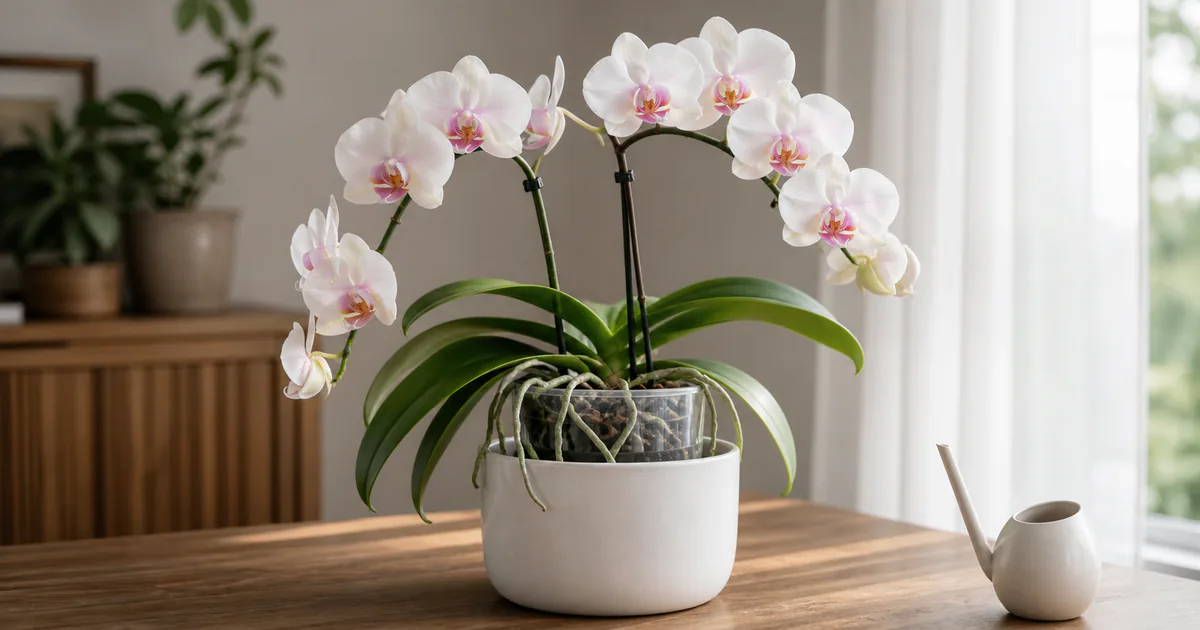
Spider plants (Chlorophytum comosum) are classic house plants characterized by their arching, ribbon-like green and white leaves. They are famous for producing small baby plantlets ('spiderettes') that hang down from long runners, creating a beautiful cascade effect.
🌿 Gift Healthy Green Plants
For healthy, lush spider plants potted in modern containers, check out the collections at The Bouqs Co. today for secure shipping.
Essential Selection & Care Instructions
1. Provide Bright, Indirect Light and Even Water
Spider plants grow best in bright, indirect light but can adapt to low-light spaces. Keep the soil evenly moist but not soggy. They have thick tuberous roots that store water, making them forgiving of occasional missed waterings.
2. Snipping and Propagating Spiderettes
To propagate, snip a baby plantlet from the trailing runner once it develops small knobs or roots at its base. Place the plantlet in a small jar of water for a week to grow roots, then plant it in moist potting soil.
3. Solve Brown Leaf Tips
Brown tips are usually caused by chemicals (like fluoride) in tap water or dry indoor air. Use distilled or rainwater to water your spider plant, and trim away any brown tips with scissors, following the natural angle of the leaf.
💡 Hanging Baskets
Display spider plants in hanging baskets. This allows the runners and plantlets to cascade down naturally, providing a beautiful visual display while keeping the trailing parts safe from curious floor pets.
🐱🐶 Fully Pet-Safe Houseplant
Spider plants are non-toxic to cats and dogs. In fact, spider plants contain mild hallucinogenic compounds that attract cats, who love chewing on the leaves. While safe, limit access to prevent them from destroying the foliage.
Spider Plant Runners and Brown Tips
Long runners and baby plantlets usually mean the spider plant is mature and receiving enough light. You can leave them in place for a cascading look, trim them to redirect energy, or root the plantlets in water before potting them. Do not remove every runner if you enjoy the full hanging shape; stagger pruning over several weeks.
Brown tips are common and usually cosmetic. They can come from dry air, inconsistent watering, mineral buildup, or fertilizer that is too strong. Trim only the brown portion with clean scissors, following the natural leaf angle, and water with filtered or rested tap water if your local water is hard.
Care Rhythm
- Water when the top inch or two of mix is dry.
- Use bright indirect light for fuller growth and more plantlets.
- Divide crowded plants in spring if the pot dries out too quickly.
Final Check Before You Act
For gifting, choose a plant with firm crowns and clean leaf bases rather than the most dramatic runners. A smaller, well-rooted spider plant adapts better indoors than an overgrown basket with crowded roots.