How to Care for Snake Plants: Low-Light and Low-Water Guide
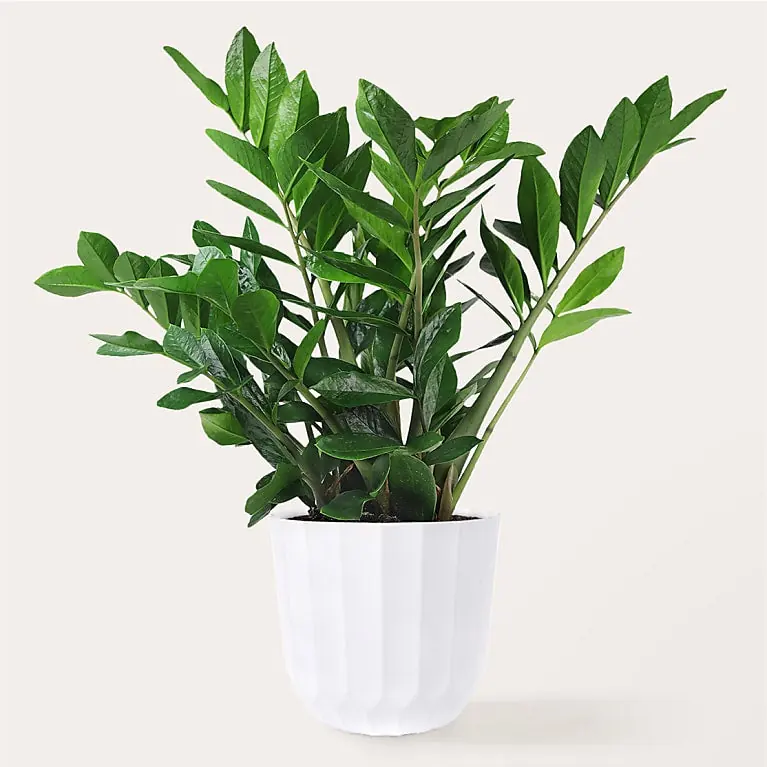
Snake plants, also known as Sansevieria or Mother-in-Law's Tongue, are the ultimate low-maintenance houseplants. Resilient and structural, they are highly efficient at filtering indoor air and can survive in almost any environment, making them perfect for busy offices or dark hallway corners.
🪴 Find Resilient Snake Plants
Explore hardy, potted snake plants ready to style. We recommend The Bouqs Co. for fresh, direct-to-door plant delivery options.
Essential Selection & Care Instructions
1. Water Sparingly to Prevent Root Rot
The fastest way to kill a snake plant is to overwater it. These plants store water in their thick, fleshy leaves. Only water when the potting soil has dried out completely—typically once every 3 to 4 weeks during winter, and every 2 weeks in summer. When in doubt, leave it dry.
2. Tolerant of Low Light and Bright Spaces
Snake plants are highly adaptable. They can thrive in bright, indirect sunlight and will even tolerate low light levels, such as rooms with small north-facing windows or fluorescent office lighting. However, their growth will slow down significantly in low light.
3. Use a Heavy Cactus Potting Soil Mix
Because they are highly susceptible to root rot, plant your snake plant in a porous, well-draining soil mix. A mixture of standard potting soil, perlite, and coarse sand in a terracotta pot allows moisture to evaporate quickly from the sides.
💡 Propagating Snake Plants
You can easily propagate snake plants by taking a leaf cutting. Cut a healthy leaf into 3-inch sections (making sure to keep track of which end was pointing down) and place them in water or moist sand. Roots will develop in 4 to 6 weeks.
⚠️ Snake Plant Pet Warning
Snake plants contain saponins, natural chemical compounds that are toxic to pets. If chewed or swallowed, they can cause mild to moderate gastrointestinal distress, including drooling, nausea, vomiting, and diarrhea. Keep them elevated out of reach.
Snake Plant Problem Signs
Snake plants tolerate neglect better than frequent watering. Wrinkled leaves can mean the plant is very dry, but soft bases, leaning leaves, or a sour soil smell point to rot. If rot appears, remove the plant from the pot, cut away soft rhizomes, and restart only firm sections in a dry, gritty mix.
Low light slows growth, so a snake plant in a dim hallway may need water far less often than one near a bright window. Dust also reduces the light leaves can use; wipe both sides gently with a damp cloth every month or two. Avoid leaf-shine products because they can leave residue on the stiff foliage.
Good Setup Checklist
- Use a pot with drainage and a cactus or succulent-style mix.
- Let the soil dry deeply before watering again.
- Keep the plant away from pets that chew houseplants.