How to Choose Easter Lilies & Spring Holiday Blooms
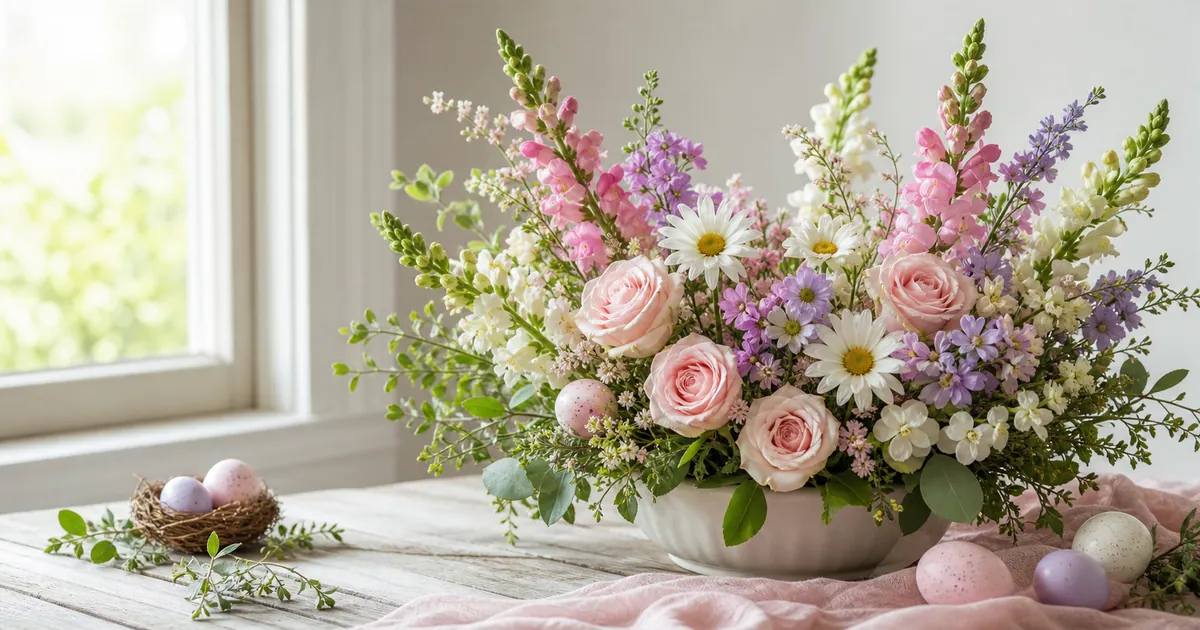
Easter represents spring, renewal, and new beginnings. Traditional white Easter lilies and pastel spring blooms bring a fresh, cheerful atmosphere to homes and holiday gatherings.
🌼 Choose the Household Before the Tradition
For homes with cats, exclude true lilies rather than relying on placement out of reach. Verify scientific names when possible and ask the recipient about pets, fragrance sensitivity, and delivery access.
Easter and Spring Collections to Compare
Traditional Easter flowers can create serious pet risks, especially true lilies in cat households. Check every listed flower, foliage item, and allowed substitution before ordering.
Easter Flowers & Gifts
ProFlowers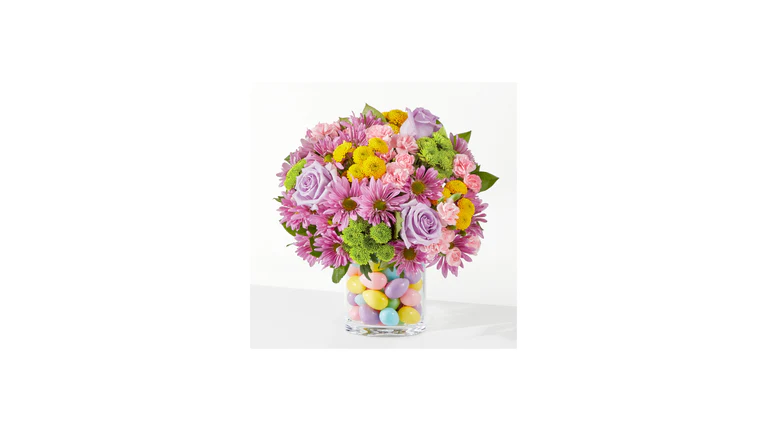
A seasonal Easter catalog with spring bouquets, plants, and gifts. The collection makes it easy to compare styles, but each product needs an individual pet and substitution review.
Pros
- Dedicated Easter catalog
- Spring bouquets and non-floral gifts in one place
- Product pages disclose bloom details on many items
Cons
- The collection includes lilies and other plants that may be unsafe for pets
- Local substitutions can change the final stem list
Easter Centerpieces
FTD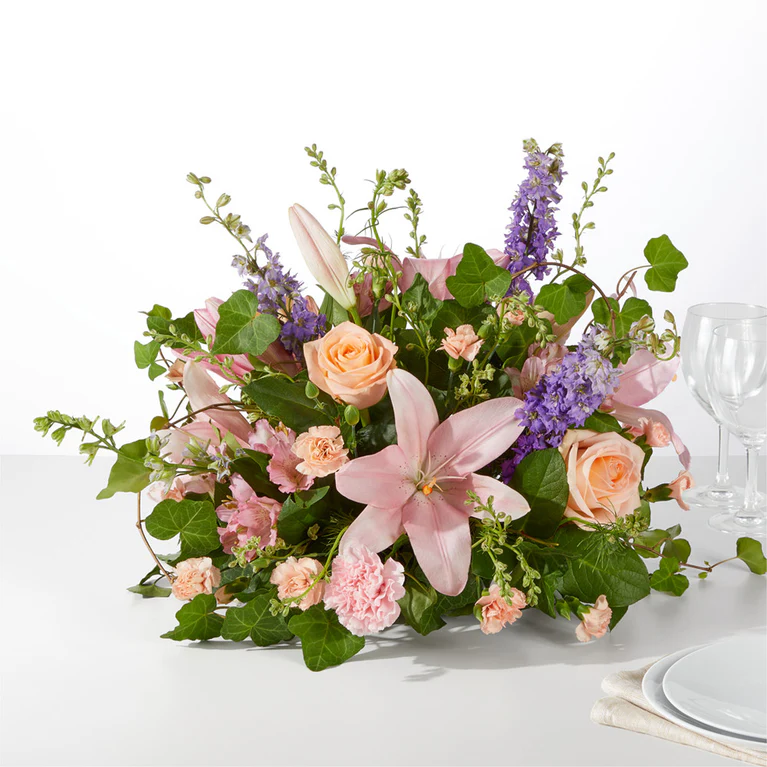
A table-focused Easter collection with pastel florist designs. It suits brunch hosts who need a ready-to-display centerpiece and can verify the exact flowers before checkout.
Pros
- Dedicated centerpiece collection
- Local florist delivery may be available
- Multiple sizes and seasonal palettes
Cons
- Some listings include true lilies or other pet-risk flowers
- The final design may change under the substitution policy
Easter Flowers Collection
Teleflora
A local-florist collection with spring baskets, pastel bouquets, and holiday containers. It works best when the buyer confirms flowers and substitutions directly against the recipient's household needs.
Pros
- Hand-arranged and delivered by a local florist
- Broad spring color selection
- Ready-to-display designs
Cons
- Exact stems and containers can vary by florist
- Pet-aware shoppers must verify every listed and substituted plant
Essential Selection & Care Instructions
1. Traditional White Easter Lilies
White Easter lilies (Lilium longiflorum) are a traditional symbol of purity and hope, but they should not enter a home with cats. For a pet-free home, choose plants with healthy leaves and buds at different stages of opening; otherwise use a non-lily spring design and verify every botanical ingredient.
2. Pastel Tulips and Spring Daffodils
Celebrate spring with pastel tulips (pink, lavender, yellow) and bright daffodils. They represent rebirth and joy, making them perfect decorations for Easter Sunday brunch tables.
3. Aromatic Spring Hyacinths
Hyacinths produce dense spikes of colorful blooms with a rich scent. They make wonderful potted gifts, filling homes with a spring aroma. Ensure they are watered regularly.
💡 Lily Stamens
Pluck the yellow pollen-filled stamens from Easter lilies as soon as they open. This prevents pollen from staining petals or tablecloths and extends the life of the flower.
⚠️ Easter Plant and Pet Risk Check
True lilies—including Easter lilies—can cause acute kidney injury in cats after exposure to petals, leaves, pollen, or vase water. The FDA advises keeping true lilies out of cat households. Tulips, daffodils, hyacinths, and other spring plants have different risks, often concentrated in bulbs. Verify scientific names and every substitution in the ASPCA database.